Event Production
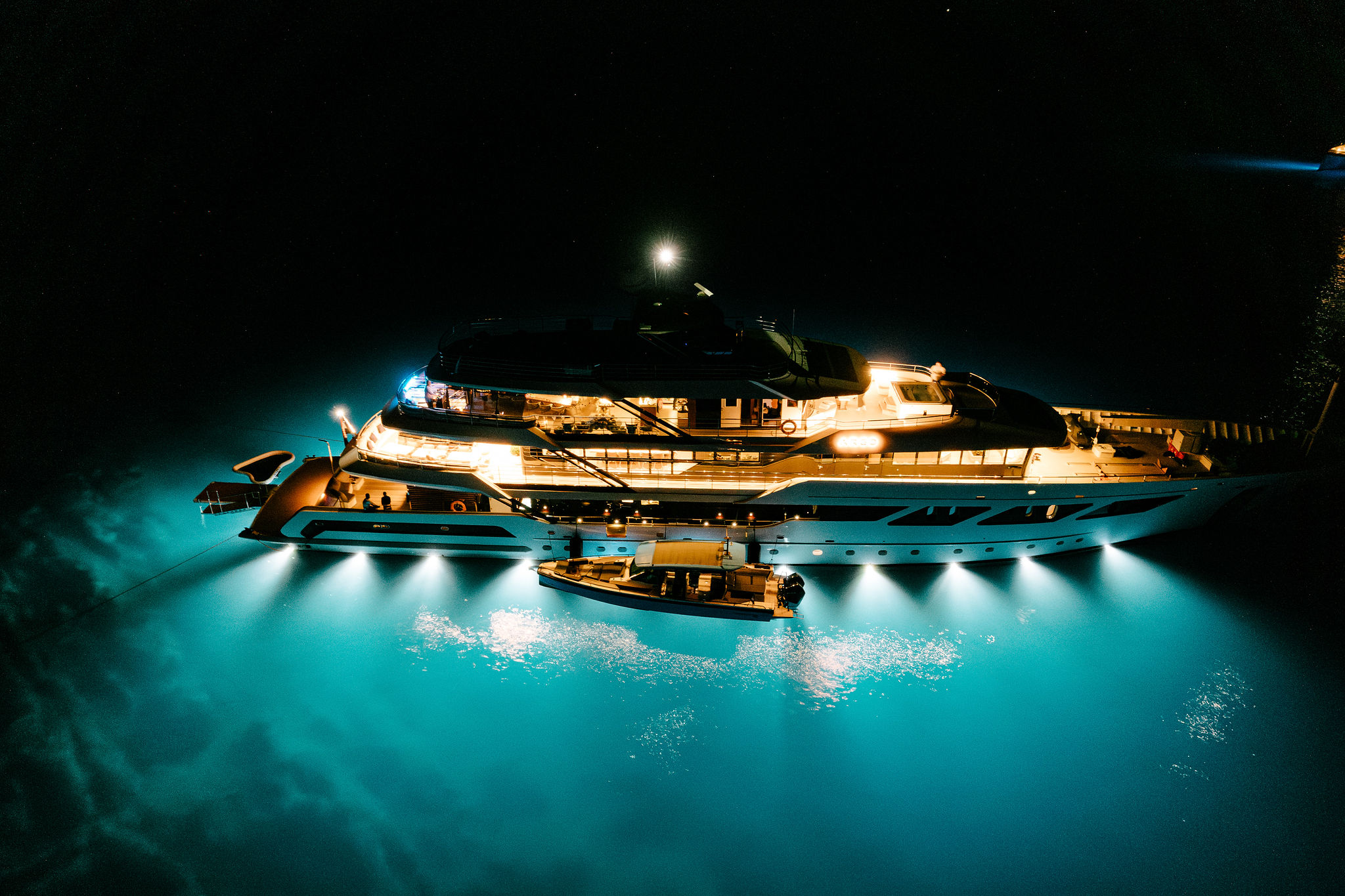
Yacht Parties on the Adriatic: Entertainment Guide
Yacht party entertainment on Croatia's Adriatic coast — DJ setups, sound, lighting, routes and real costs for catamaran and superyacht events.
A snapshot of how mobile, automation, social platforms, and measurement were reshaping digital marketing between 2016 and 2018.
Ivan Boban
This archive piece captures how we were thinking about digital marketing between 2016 and 2018.
At the time, the biggest shift was not a single platform or tool. It was the speed at which digital behavior was becoming mobile-first, platform-driven, and much more measurable than the marketing most businesses were used to.
The following themes defined that transition for us.
Marketing plans have always been built around customer behavior, but by this point one fact was impossible to ignore: mobile had become the center of digital attention.
Search was increasingly mobile. Facebook usage was overwhelmingly mobile. Paid distribution was becoming mobile by default. People were spending more of their time inside apps, not browsing in the old desktop-first way.
For brands, that meant one thing: strategy could no longer be built for a single screen or a single platform. A serious digital presence had to work across devices, touchpoints, and formats.
The second major shift was the rise of commercial automation and AI-assisted communication.
Chatbots, live chat support, voice search, and assistant-driven queries were all becoming more relevant. Siri, Google Assistant, Alexa, and similar interfaces were changing how people accessed information. For businesses, that meant faster, more responsive communication would increasingly become a baseline expectation rather than a differentiator.
The practical takeaway was not that every company needed to chase hype. It was that scalable communication mattered more than ever.

Another defining trend was the move toward integrated marketing systems.
Brands were starting to think in terms of full customer journeys rather than isolated campaigns. The real opportunity was in connecting platforms, aligning customer information, and improving consistency across every touchpoint.
That way of thinking opened the door to stronger retention, better timing, more relevant messaging, and clearer visibility into how a brand communicates across channels.
Predictive thinking and automated workflows were still developing, but the direction was already clear: data and integration would shape how effective marketing teams operate.
We did not expect entirely new marketing techniques to appear overnight. What mattered more was how well teams could execute the fundamentals.
That included:
At the same time, platform behavior was evolving. Snapchat had shown how direct, casual communication could shape audience expectations. Instagram, WhatsApp, and Pinterest were gaining strength. Facebook still mattered enormously, but organic reach was tightening, which pushed brands toward smarter paid distribution and stronger ROI discipline.
The final and most important shift was in how marketing itself had to be managed.
As digital channels became more integrated into day-to-day business, marketing could no longer sit in a silo. Teams needed better coordination, faster optimization, and more transparency across campaigns, content, and conversion paths.
That meant more testing, better reporting, tighter collaboration between departments, and a stronger link between marketing activity and business outcomes.
Digital transformation was no longer only about being present online. It was about learning how to operate in a way that was measurably better.
Seen from today, many of these trends feel obvious. But at the time they marked a real transition point.
The most durable lesson still holds: strong digital marketing is not about chasing every new feature. It is about understanding behavior early, building systems that can adapt, and communicating in a way that stays useful, human, and consistent.
That mattered in 2018, and it still matters now.
Yacht party entertainment on Croatia's Adriatic coast — DJ setups, sound, lighting, routes and real costs for catamaran and superyacht events.
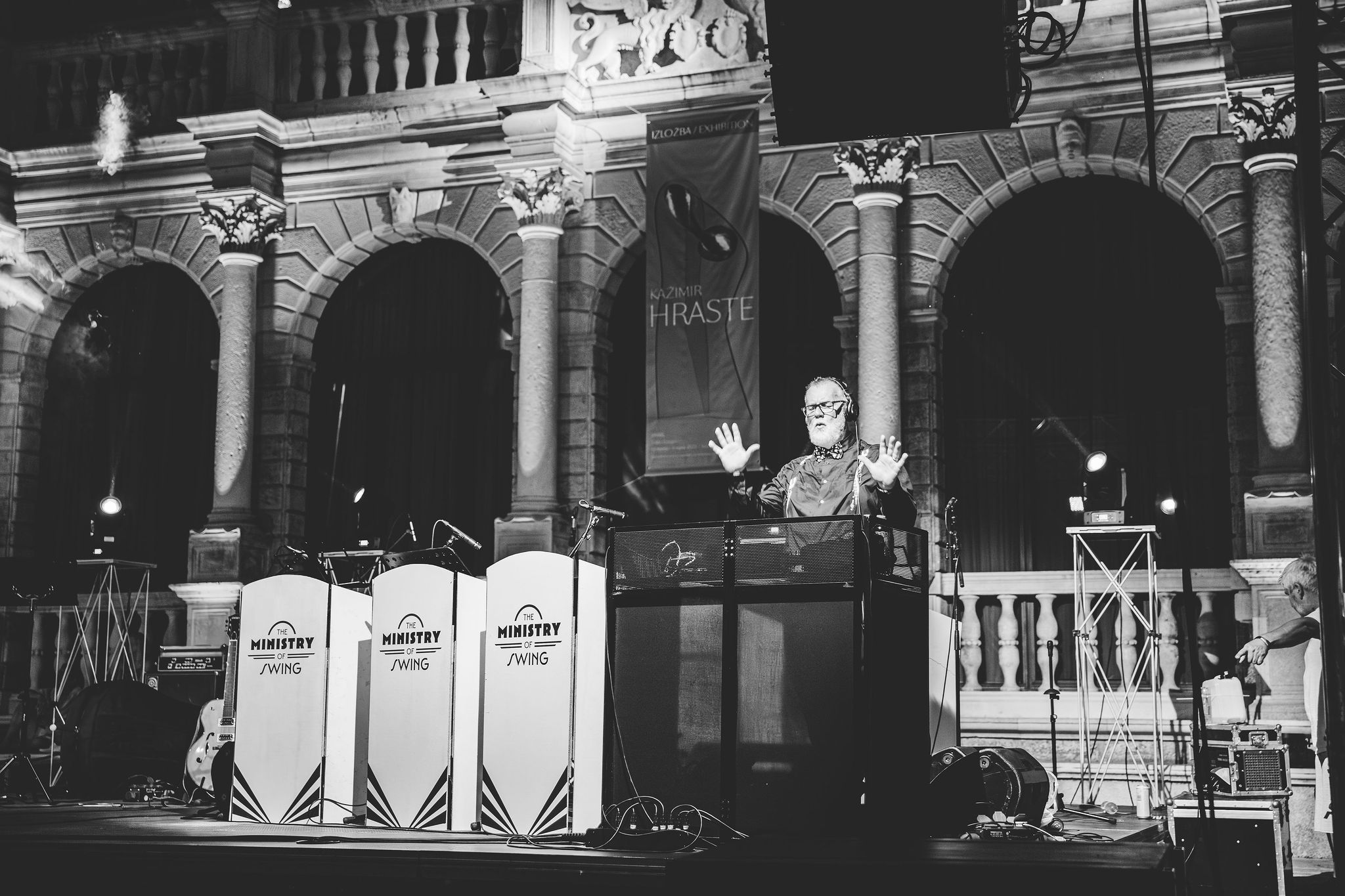
Inside Hvar's event and nightlife scene from the production side. Festival work, DJ residencies, venue options, and what makes Hvar events unlike anywhere else on the Adriatic.
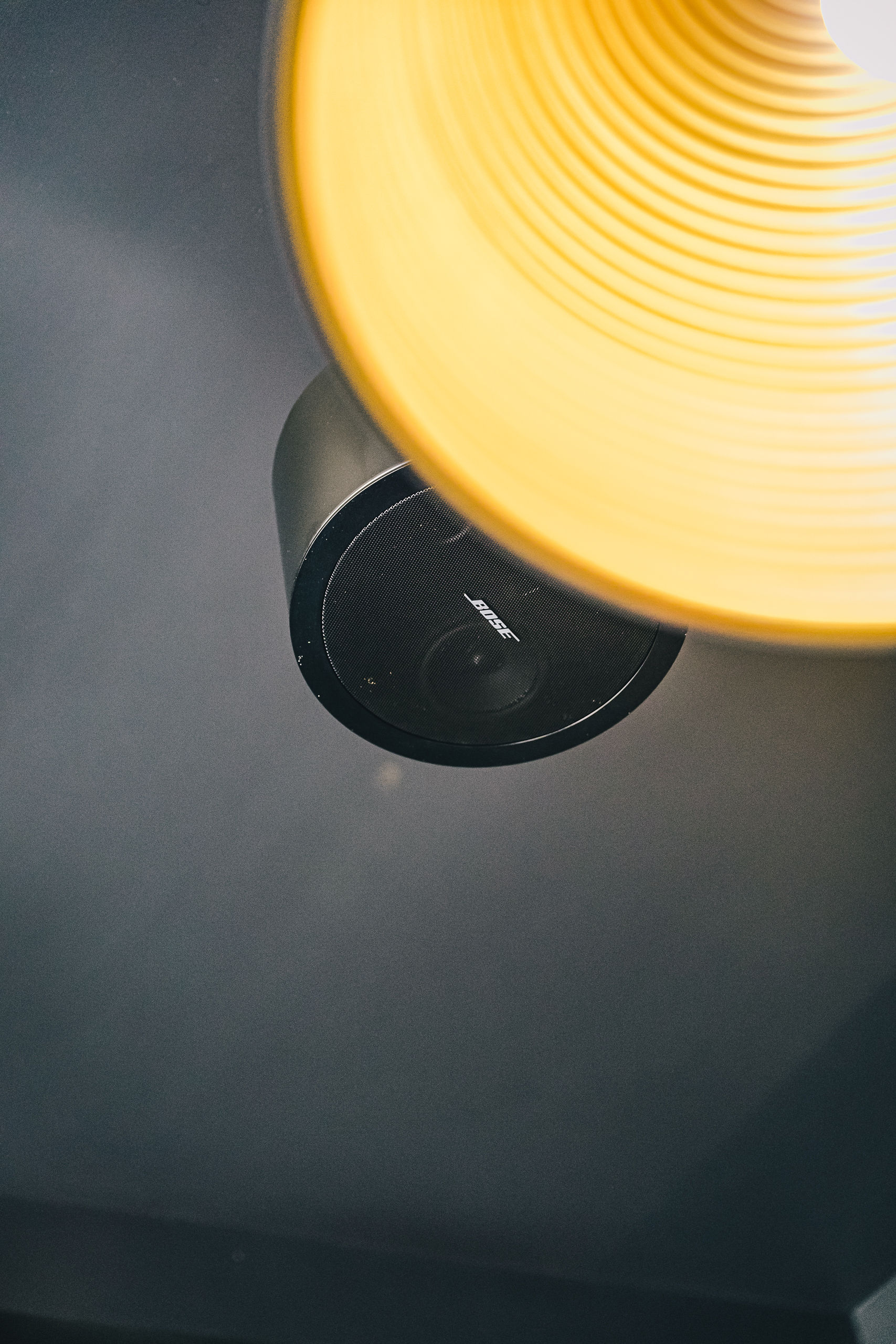
How professional AV design creates sound systems that complement architecture instead of competing with it. Restaurant, hotel, and venue installation philosophy from Croatia's Adriatic coast.
From AV integration to DJ booking, we provide complete event production services across Croatia.