
Event Production
Yacht Parties on the Adriatic: Entertainment Guide
Yacht party entertainment on Croatia's Adriatic coast — DJ setups, sound, lighting, routes and real costs for catamaran and superyacht events.
An archival look at why Facebook advertising mattered so much at the time, how placements worked, and why smart targeting mattered more than sheer volume.
Ivan Boban

Social media was already well established when this piece was first written. Everyone had their favorite platform, and for many people that did not even have to be Facebook.
Still, Facebook management and advertising remained one of the most relevant topics in digital marketing because of one thing: scale combined with targeting.
At the time, Facebook was still the largest and most flexible advertising platform for a huge number of businesses. It gave both consumer brands and smaller professional users a way to increase reach, improve engagement, and pursue measurable goals with relatively precise control.
The platform was dominant for several reasons:
That did not mean every business needed to invest heavily. It did mean that anyone using social media professionally had to understand the platform rather than treat it casually.
This distinction mattered then, and it still matters now.
Most users participate in social platforms informally. Businesses, on the other hand, need to think about objectives, audience behavior, cost, compliance, and outcomes. That requires time, budget, and discipline.
The platform itself may look familiar, but the professional use case is fundamentally different.
At the time, five main ad placements were especially worth understanding:
Placement mattered because each environment shaped attention differently. Some formats felt more native, some were more interruptive, and some performed better for awareness than direct conversion.


One of the most useful shifts in thinking was understanding that Facebook and Instagram were not really competing with each other inside the ad system. They were complementary.
Facebook remained the control center, while Instagram expanded the creative and placement possibilities. That gave advertisers a broader media surface while still operating from one ecosystem.
One of the platform’s real strengths was flexibility.
You could target with high precision using geography, interests, and audience behavior. Or you could run broader awareness campaigns aimed at reaching very large groups and letting creative do more of the work.
Both approaches had a role. The decision depended on the objective, the offer, and the maturity of the campaign.
This was never a “set it and forget it” channel.
Businesses that wanted real results had to invest:
Without that effort, even the strongest platform quickly became inefficient.
Looking back, the useful part of Facebook advertising was not just the platform size. It was the way it forced marketers to become more deliberate.
You had to think about:
That made the platform valuable far beyond the media itself. It rewarded clarity.
This article remains part of the archive because it captures a real stage in how digital campaigns were planned at the time. The tools have evolved since then, but the underlying discipline still matters.
Yacht party entertainment on Croatia's Adriatic coast — DJ setups, sound, lighting, routes and real costs for catamaran and superyacht events.
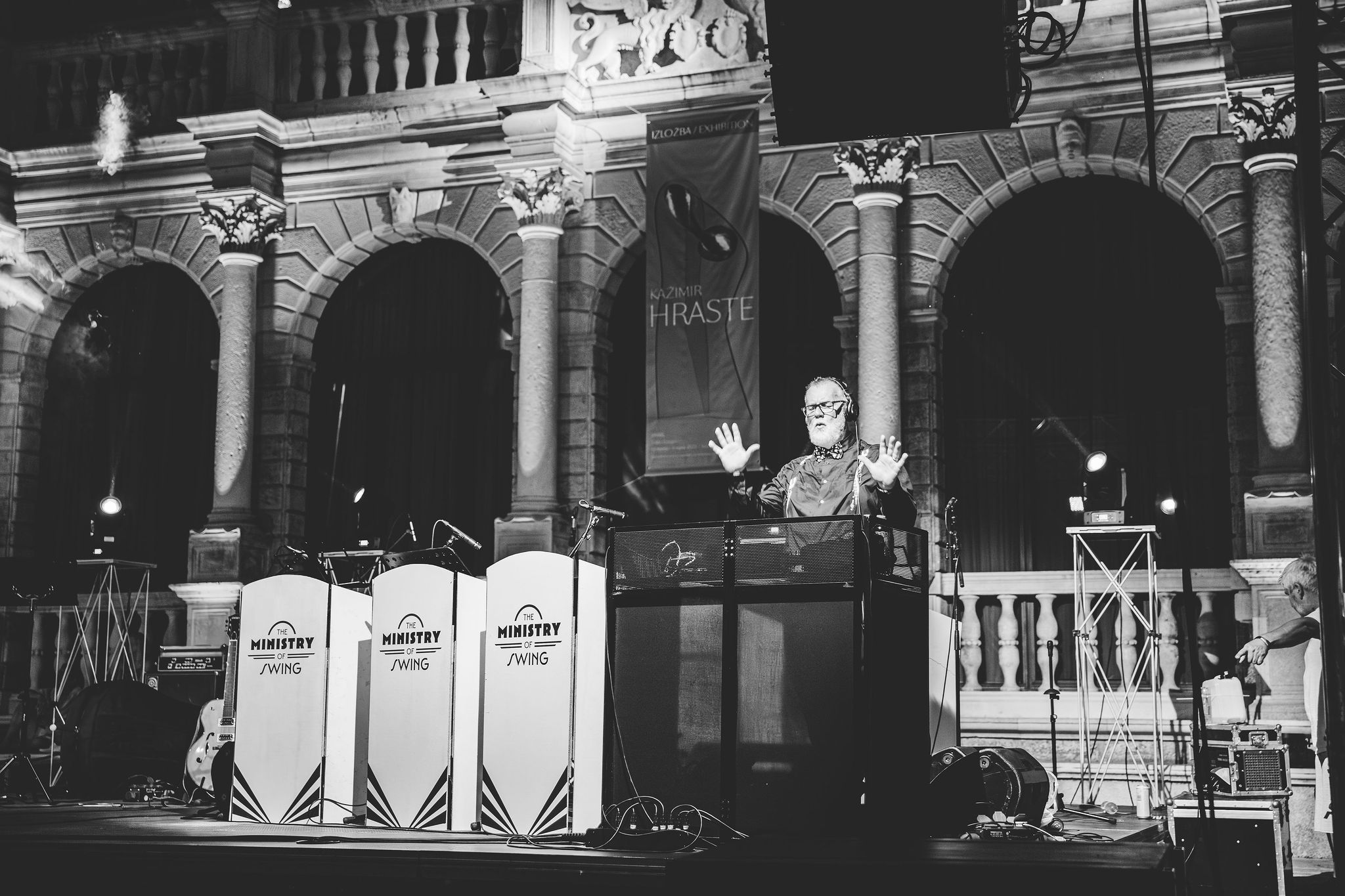
Inside Hvar's event and nightlife scene from the production side. Festival work, DJ residencies, venue options.
How professional AV design creates sound systems that complement architecture instead of competing with it.
From AV integration to DJ booking, we provide complete event production services across Croatia.