AV Integration
The Art of Invisible Audio: Sound Systems That Disappear
How professional AV design creates sound systems that complement architecture instead of competing with it.
How to design hotel lobby audio: zones, speaker selection, music programming and volume control — by a team installing Bose systems in Croatian hotels.
Ivan Boban
Updated May 31, 2026
A guest’s first impression of a hotel happens in the lobby — and that impression is shaped by sound more than most hoteliers realise. Not the music selection (though that matters), but the overall acoustic environment: is it warm or clinical? Intimate or cavernous? Energising or calming?
A lobby with no audio feels empty, regardless of how full it is. A lobby with a Bluetooth speaker on the reception desk feels cheap. A lobby with a properly designed audio system feels — without the guest ever identifying why — like a place worth being.
We’ve designed lobby audio for hotels across Croatia’s Adriatic coast. Here’s the methodology behind getting lobby sound right.
Planning a lobby audio upgrade for your property? See our hotel AV integration services — system design, installation, and staff training for hotels across Croatia.
Most hotel lobbies contain three distinct acoustic environments that require independent treatment:
The first 10 seconds. The guest walks through the entrance, approaches reception, and forms their initial impression. Sound here should be warm, welcoming, and at a volume that’s perceptible but doesn’t compete with the receptionist’s greeting.
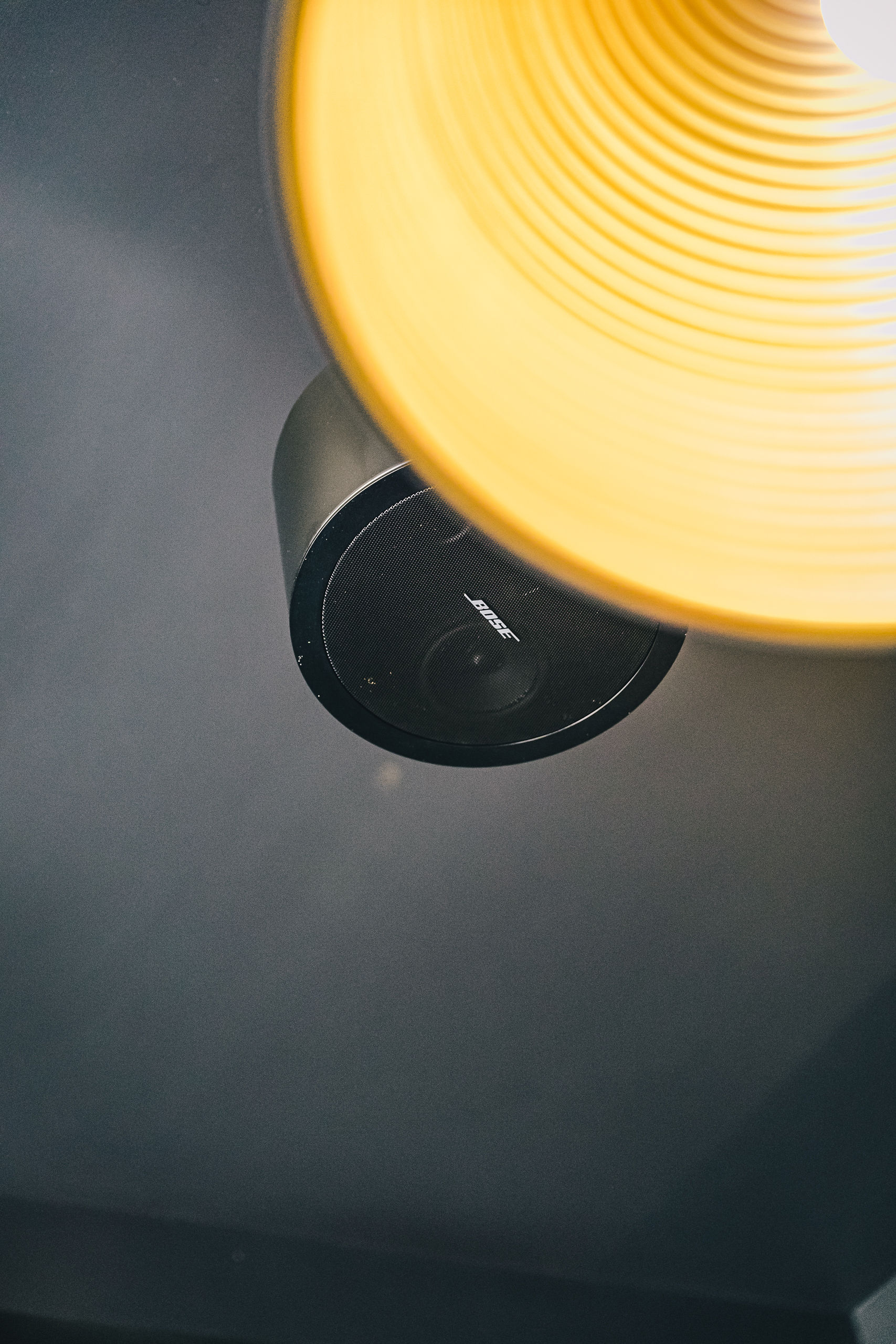
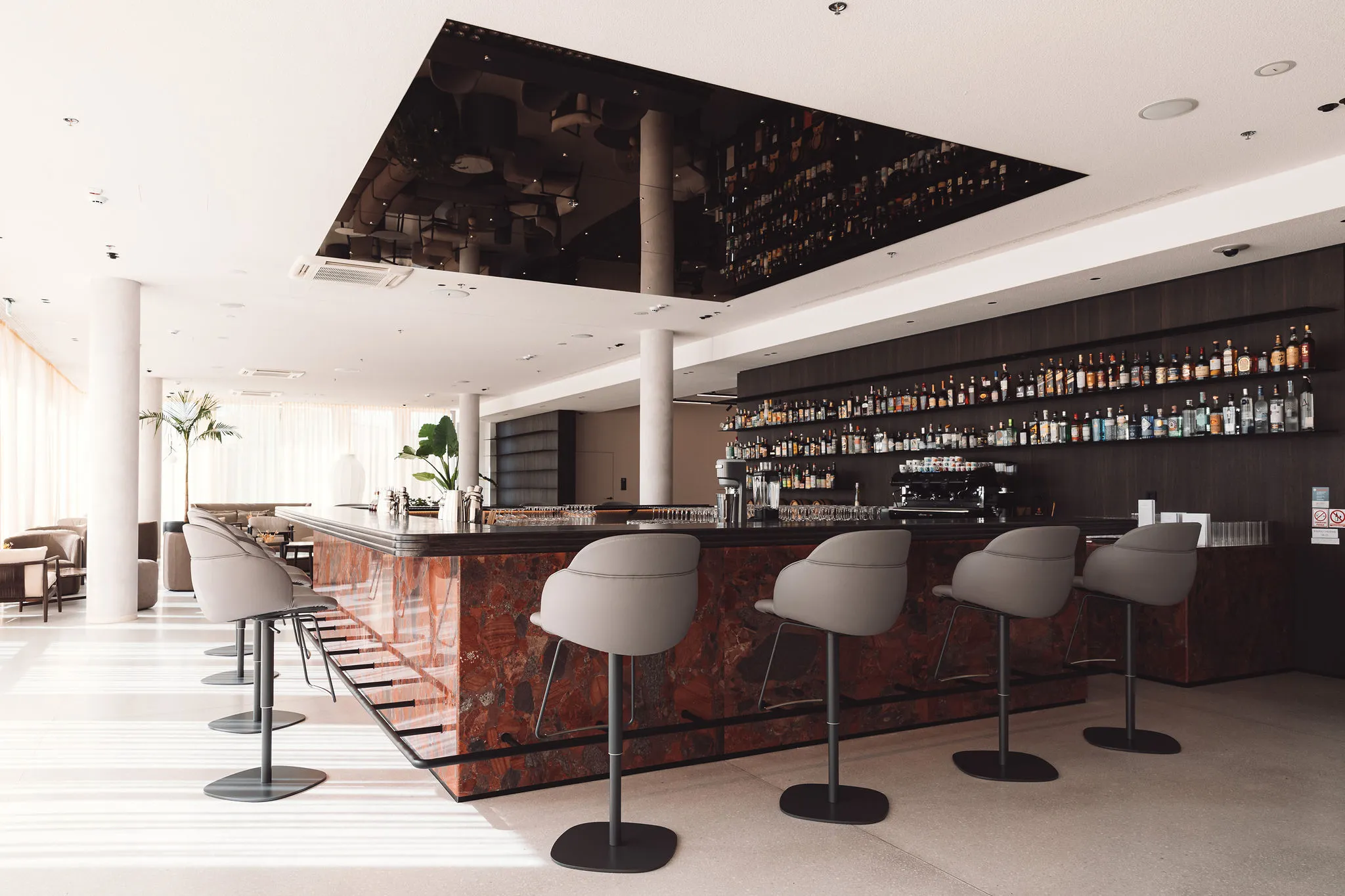
Speaker choice: Flush ceiling speakers (Bose DesignMax DM2C-LP) positioned to cover the reception area without spilling into adjacent zones. Volume level: 5-10dB above ambient noise floor — enough to register but never enough to require raising voices.
Music: Soft, acoustic-leaning. Light jazz, bossa nova, ambient. No lyrics in languages the primary guest demographic speaks — lyrics compete with conversation at low volumes.
Where guests linger — waiting for companions, having a morning coffee, reading. The acoustic need here is warmth and privacy. Sound should create a subtle acoustic curtain that provides conversational privacy between seating groups without requiring headphones.
Speaker choice: Pendant or flush ceiling speakers at tighter spacing than the reception zone. The goal is even coverage at moderate volume — no “speaker spots” where sitting directly below a unit is noticeably louder.
Music: Can be slightly more present than reception. Still conversation-friendly, but with more character — deeper bass, more musical texture.
The energised zone. Guests here expect atmosphere — the volume can be higher, the music more rhythmic, the vibe more social. This is where the lobby transforms from corporate space to hospitality experience.
Speaker choice: Higher-output speakers — pendant speakers or small surface-mount units with more bass capability. Potentially supplemented with a concealed subwoofer to add low-end warmth without visible hardware.
Music: Shifts with the day. Calm during morning service, building through the afternoon, most energised during evening cocktail hour. Automated scheduling handles this transition — no staff intervention needed.
The biggest mistake in multi-zone lobby design is hard boundaries between zones. A guest walking from the calm reception area into an energised bar shouldn’t experience an abrupt volume or style change — it should feel like a natural gradient.
We design “crossfade corridors” — transitional zones where speakers from both adjacent areas overlap, with DSP processing that blends the two zones smoothly. A guest walking this path experiences a 10-15 second gradual shift in volume and content, registering it as a natural change of atmosphere rather than a system boundary.
The music itself matters as much as the system. We work with hotels on two approaches:
Automated scheduling: Using platforms like Meridian Chapters, the system automatically selects music mood and adjusts volume throughout the day. Morning gets soft jazz and low volume. Afternoon gets bossa nova and moderate volume. Evening gets deeper grooves and elevated presence. The transitions happen at configurable times and crossfade smoothly.
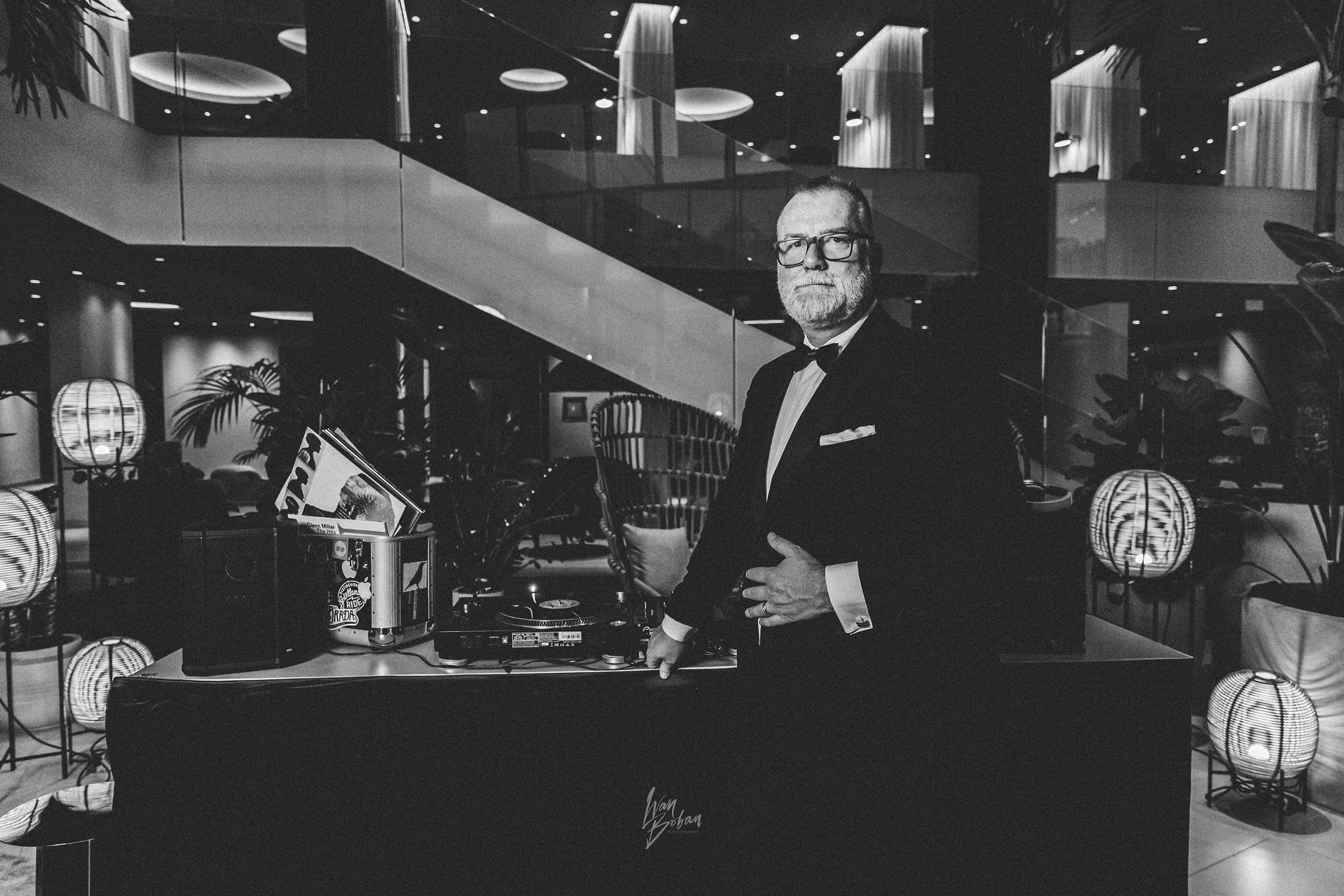
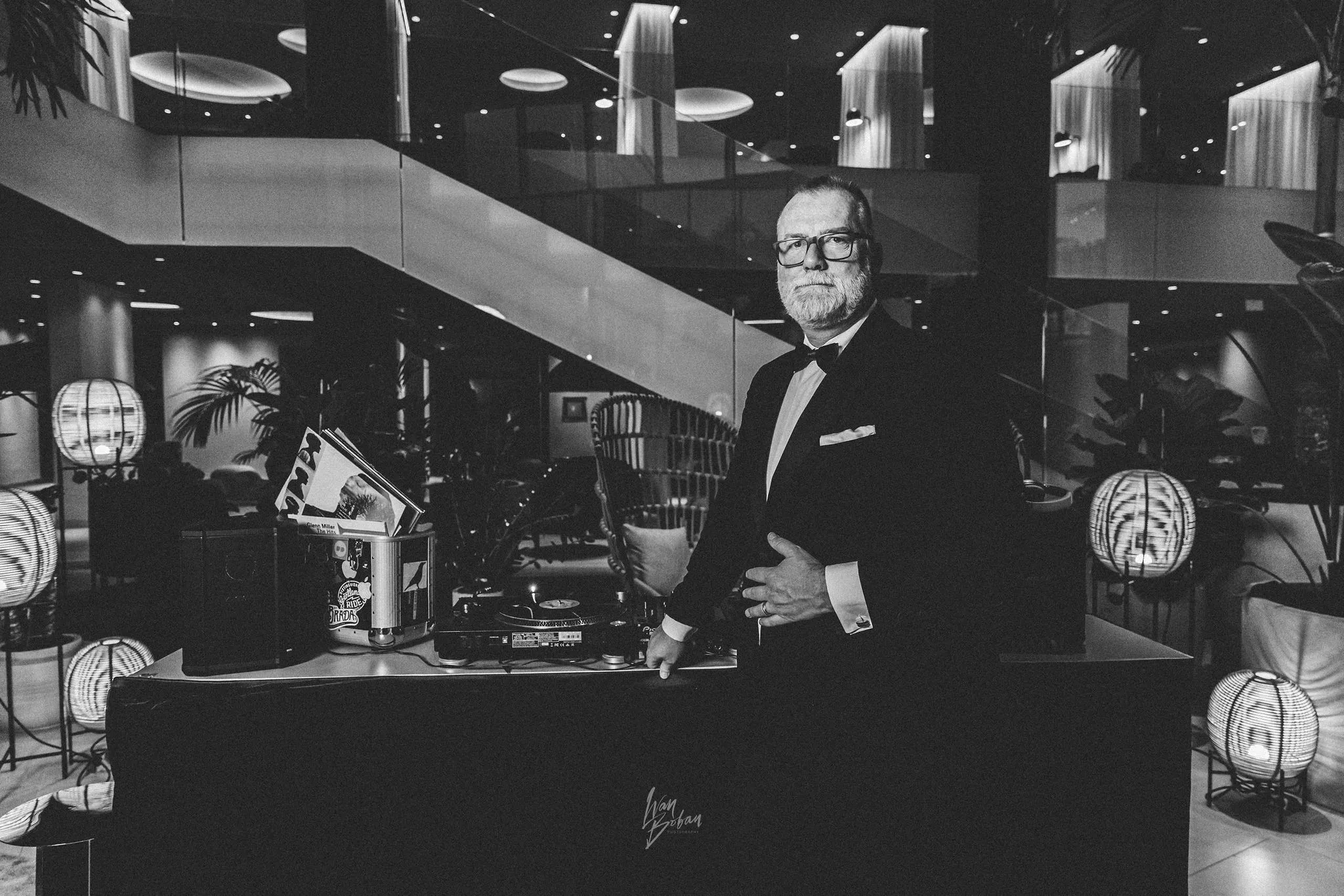
Live DJ sessions: For premium hotels, we provide DJ residencies in lobby and bar areas. The live DJ element adds visual sophistication and musical spontaneity that automated systems can’t replicate. Matthew Bee’s tuxedo vinyl sessions at the Radisson Blu represent the gold standard of this approach.
A typical hotel lobby installation includes:
Hotel lobby audio typically costs €8,000-€25,000 depending on the number of zones and speakers. Divided across a 10-15 year system lifespan, this represents €2-€7 per day — less than a single coffee from the lobby bar.
The ROI is measurable in guest satisfaction scores, TripAdvisor/Booking.com reviews that mention “atmosphere” or “ambiance,” and the premium positioning that distinguishes a property from competitors.
Contact us for a hotel audio consultation.
Related reading:
Cosmic Production designs hotel audio systems across Croatia’s Adriatic coast. Explore our AV integration services.
How professional AV design creates sound systems that complement architecture instead of competing with it.
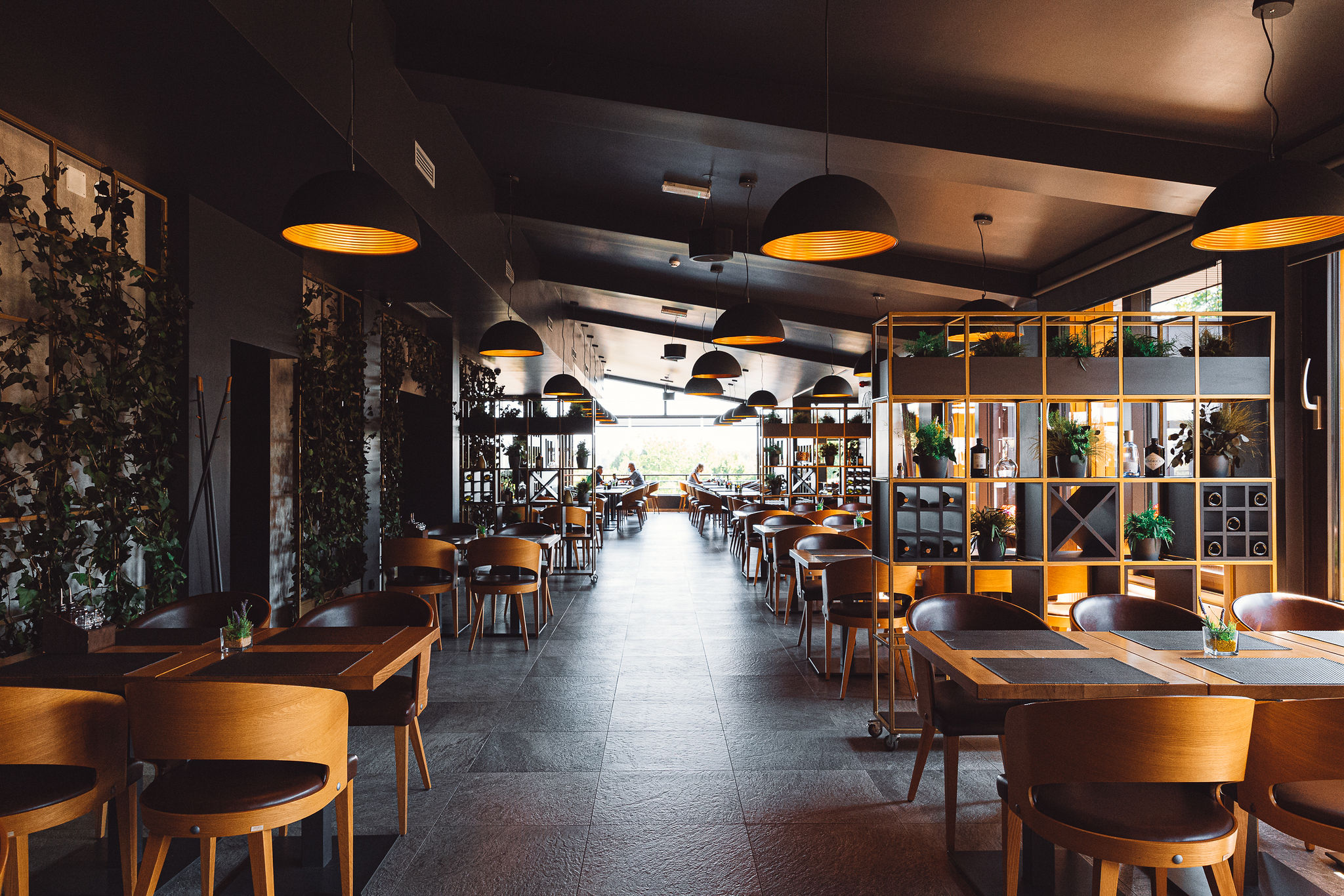
How we deploy Bose Professional audio systems across Croatia's most demanding environments — from salt-air beach clubs to superyacht decks.
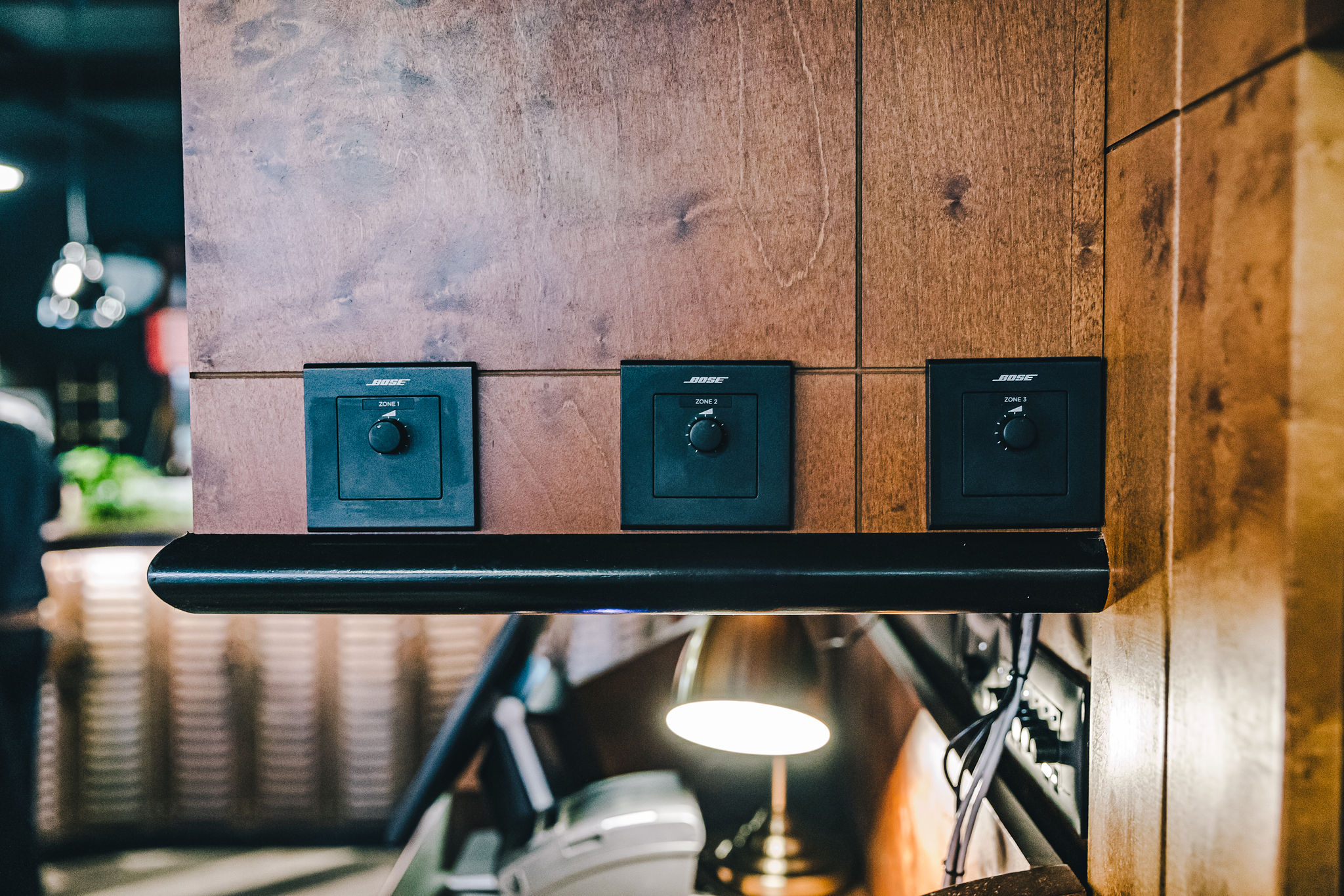
Five restaurant AV installations across Split — different venues, different challenges, different speaker solutions.
From AV integration to DJ booking, we provide complete event production services across Croatia.