Six-Property AV Condition Survey, Pelješac & Korčula
Coastal hotel group (confidential)
The Challenge
Four hotels reported that music was not working, and two more needed a preventive review. The reports were operational rather than technical — 'the terrace has no sound', 'reception cannot change the playlist' — with no documentation, no equipment register and no way for management to compare one property against another.
Our Solution
We visited all six properties in a single route, interviewed management, F&B, reception and technical staff at each, inspected the accessible zones and racks, and documented the as-found state photographically. Each property received its own report; management received one consolidated portfolio summary with a single set of priorities.
The brief we actually received
Four hotels where the music was not working, and two more that management wanted looked at before the season. No zone list, no equipment register, no wiring documentation, and no single person who had seen all six systems.
This is the normal state of an inherited hospitality AV estate. Systems get extended by different contractors across a decade, staff turn over every season, and the institutional memory of what was installed and why leaves with them.
What the survey involved
Each property was visited in person. At every site we spoke to the people who actually operate the system day to day — reception, F&B, and whoever the property treats as its technical contact — because the reported symptom and the actual fault are frequently different things.
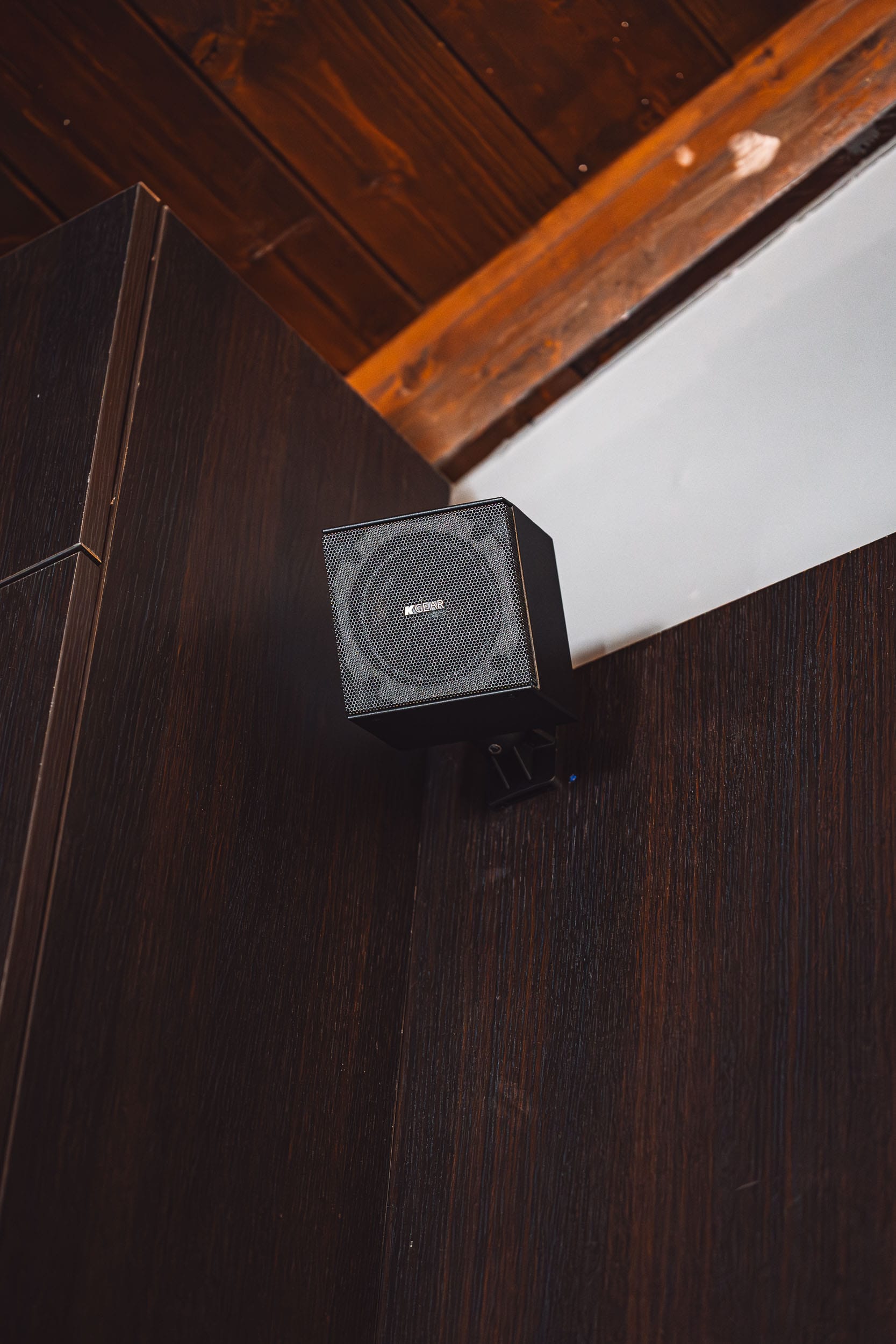
We inspected accessible zones and racks, traced signal paths as far as non-invasive testing allows, and photographed the as-found condition of every rack, control point and exposed outdoor speaker.
Why the findings were separated
The single most important structural decision in the reports was to keep three categories apart:
- Confirmed — observed or tested directly on site.
- Reported — described by staff but not independently verified during the visit.
- Assumed — the most likely explanation given the evidence, flagged clearly as an inference.
Mixing those three is how a survey turns into an argument later. Keeping them apart is what makes the document usable as a basis for spending money.
We also stated plainly what each inspection did not cover — electrical certification, impedance measurement of every 100 V line, hidden cable runs inside walls, and calibrated SPL measurement were all outside the agreed scope.
What management could do with it
Because every property was documented to the same structure, the group could compare them directly and phase the work: fix what stops a zone functioning before the season, defer what is a genuine improvement but not urgent, and plan the rest into the following year’s capital cycle.
That is the difference between six service calls and a portfolio decision.
Client name withheld at the client’s discretion. Property-specific findings are confidential; this case study describes method and outcome only.
Results
- Six individual property reports plus one portfolio summary for management
- Vague operational reports converted into confirmed equipment failures, missing equipment, zoning and calibration faults, and staff-control problems
- Confirmed, reported and assumed causes kept explicitly apart, with the limitations of each inspection stated
- Remediation split into MUST DO and NICE TO HAVE with indicative budgets, so investment could be phased across the group
- One comparable technical baseline across all six properties instead of six unrelated contractor opinions
Ready to start your project?
Tell us about your venue or event and we'll create a tailored solution.